

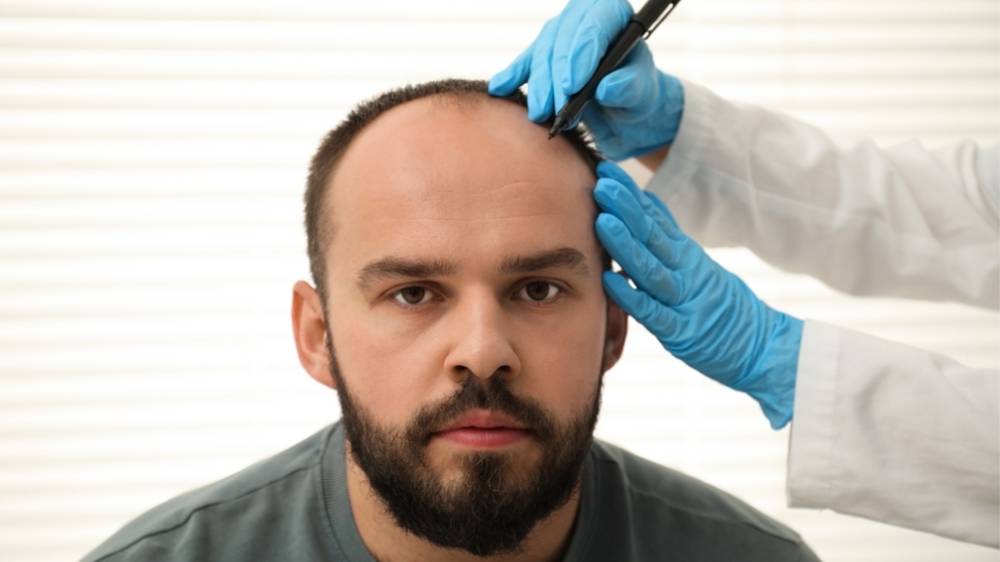
When you first start noticing that your hair isn’t quite as thick as it used to be, or that your hairline is beginning to beat a steady retreat, your first instinct is often to look for a solution. For many men and women in Scotland, that solution is a hair transplant. However, the very next thing most people do is head straight to a search engine to figure out the hair transplant glasgow cost. It is a perfectly natural reaction; after all, this is a significant medical procedure and a long-term investment in your appearance and self-confidence.
The truth is that finding a single, flat rate for hair restoration is almost impossible. If a clinic gives you a fixed price over the phone without seeing your head, you should probably be a bit cautious. Every scalp is different, every pattern of hair loss is unique, and the goals of every patient vary wildly. In Glasgow, the cost of these procedures is influenced by a range of factors, from the technical expertise of the surgeon to the specific method used to move the hair follicles from one place to another.

The main factors that influence the price you pay
If you are trying to budget for your procedure, it helps to understand what actually goes into the final invoice. It isn’t just about the time spent in the surgical chair; it is about the years of training the medical team has undergone and the sophisticated technology used to ensure the results look natural. When calculating a hair transplant glasgow cost, clinics typically look at the following variables:
- The number of grafts required: This is the most significant factor. A graft is a tiny piece of skin containing one to four hairs. If you only need to fill in small temple recessions, you might only need 1,000 grafts. If you are dealing with extensive thinning across the crown and frontal area, you might need 3,000 or more.
- The technique used: Follicular Unit Extraction (FUE) is the most common modern method in Glasgow. It involves extracting individual follicles one by one. Because it is labour-intensive and requires great precision, it often carries a different price point compared to older methods.
- The surgeon’s experience: You are paying for an artist as much as a doctor. A highly specialised surgeon who has performed thousands of successful transplants will naturally charge more than someone just starting out.
- The complexity of the case: Factors like hair texture (curly hair is often more difficult to transplant), previous scarring, or the need for a non-shaven procedure can add to the complexity and the time required.
Why graft count isn’t the only thing that matters
It is very easy to get caught up in the “price per graft” game. Some people spend hours comparing different clinics based on whether they charge £2.50 or £5.00 per graft. While this is a useful metric for a rough estimate, it doesn’t tell the whole story. A cheaper price per graft might mean the clinic uses less experienced technicians to do the bulk of the work, or it might mean they aren’t using the most advanced storage solutions to keep the follicles alive while they are outside the body.
In Glasgow, the focus has increasingly shifted towards quality and graft survival rates. It is far better to pay a slightly higher hair transplant glasgow cost for 1,500 grafts that all grow successfully than to pay a bargain price for 3,000 grafts where half of them fail to take root. The density and the angle at which the hairs are placed are what make the difference between a result that looks like a “pluggy” doll’s head and one that looks completely natural.
Comparing FUE and other modern methods
Most reputable clinics in the West of Scotland now favour Follicular Unit Extraction (FUE). One of the reasons this method is so popular is that it doesn’t leave a linear scar at the back of the head, allowing patients to wear their hair short if they wish. However, because FUE requires the surgeon to manually extract every single graft, it takes a lot of time—sometimes a full day or even two consecutive days of surgery.
When you are looking at the hair transplant glasgow cost, you should ask whether the price includes:
- The initial consultation and scalp analysis.
- The surgical procedure itself and all local anaesthetics.
- Post-operative medication and specialized shampoos.
- Follow-up appointments for the first twelve months.
Some clinics might seem cheaper at first glance, but once you add in the costs of aftercare and mandatory follow-ups, the total price often aligns with the more premium providers in the city centre.
The hidden value of staying local in Glasgow
In recent years, many people have been tempted by the prospect of “medical tourism,” flying to places like Turkey for extremely low-cost procedures. While the headline price might look appealing, there are significant risks and hidden costs to consider. When you choose a local Glasgow clinic, you aren’t just paying for the surgery; you are paying for accountability and proximity.
If you have a concern three days after your surgery, or if you want someone to check your healing progress at the six-month mark, you can simply hop on a train or drive into the city. You have the peace of mind knowing that your surgeon is regulated by UK medical standards and that you have a clear path for recourse if anything doesn’t go to plan. When you factor in the cost of flights, hotels, and the potential cost of fixing a botched job, the hair transplant glasgow cost often represents much better long-term value.
How to manage the investment
For most of us, a few thousand pounds is a significant sum of money. Recognising this, many clinics in Glasgow have started to offer financing options. This allows patients to spread the cost of the procedure over one, two, or even five years. By breaking the total hair transplant glasgow cost into monthly payments, it becomes a much more manageable part of a monthly budget, similar to a car payment or a gym membership.
Before committing to a finance plan, it is always wise to ensure there are no hidden interest rates and that the monthly payments are genuinely affordable. Most clinics are very transparent about this and will help you work out a plan that fits your financial situation during your initial consultation.
What happens during the consultation?
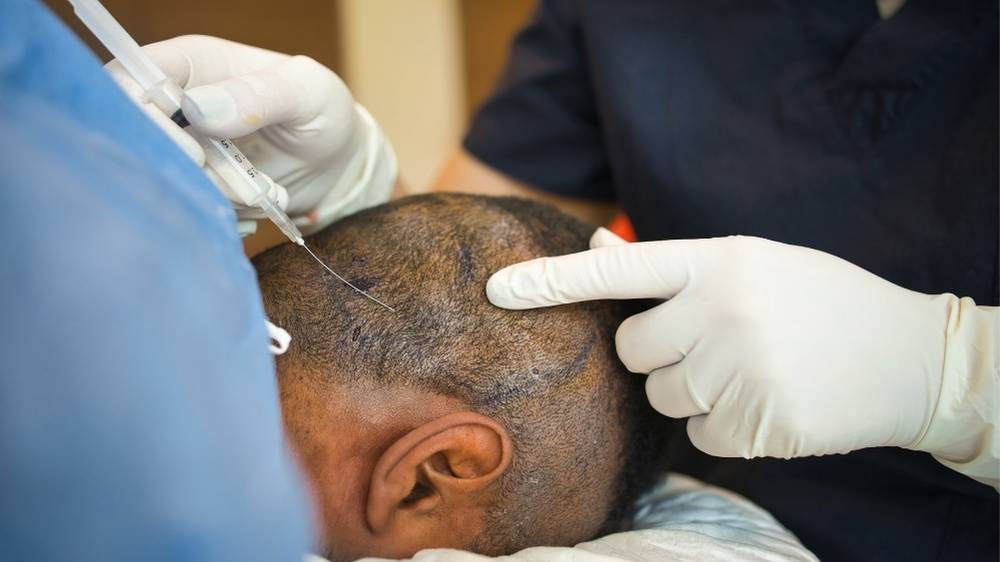
The consultation is the only way to get a definitive answer on what you will actually pay. During this meeting, the surgeon will examine your donor area—usually the back and sides of your head—to see how much healthy hair is available. They will also use a densitometer to check the quality of your hair and the health of your scalp. They will then discuss your expectations. If you want a hairline that looks like you’re eighteen again, but you have significant thinning, they will give you a realistic assessment of what can be achieved and how many grafts it will take.
This is also your chance to ask about the specific breakdown of the hair transplant glasgow cost. A good surgeon will be happy to explain exactly why they are recommending a certain number of grafts and what the total price covers. They should also provide you with a written quote that is valid for a set period, giving you the time to think it over without any high-pressure sales tactics.
Ultimately, the goal of hair restoration isn’t just to add more hair to your head; it is to restore your confidence and help you feel like yourself again. While the price is a major factor, it should be weighed against the skill of the medical team and the quality of the results you can expect to see in the mirror every morning for the rest of your life.
Reginald Harper owner of this blog, He created this website many year before to share his experience all about music,films,sounds, etc.

